
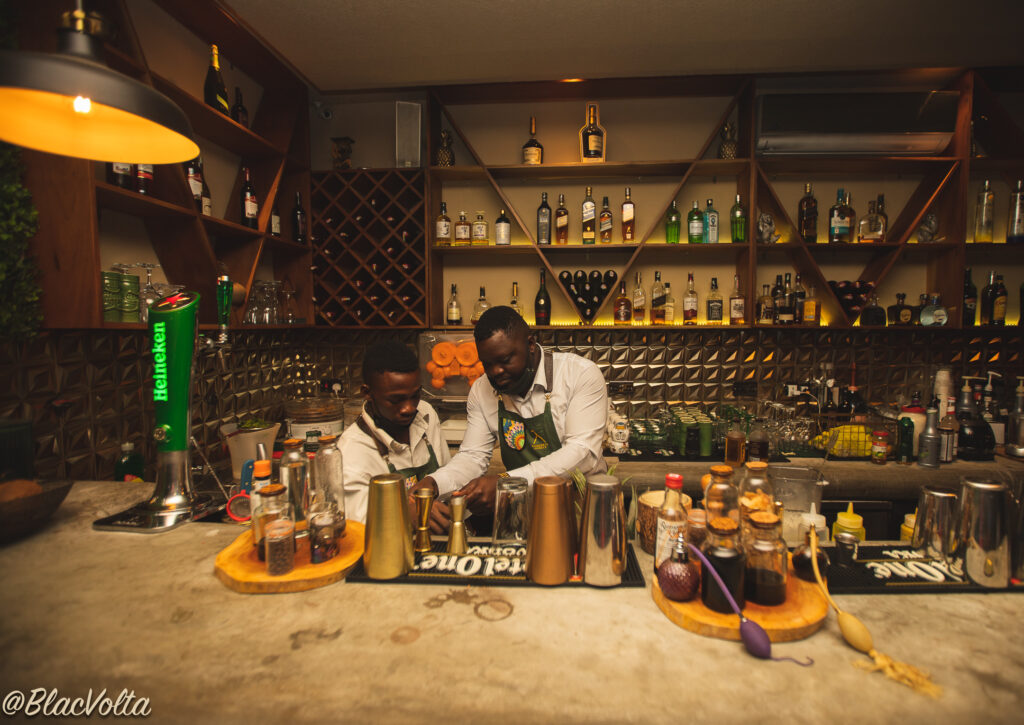
Cocktail making is both an art and a science. While creativity, flavor balance, and presentation play a huge role, the equipment used to prepare cocktails is just as important. Properly maintained tools not only improve the taste and consistency of drinks but also extend the life of the equipment and ensure a safe, hygienic environment. Whether you are running a professional bar, creating drinks for events, or simply making cocktails at home, maintaining cocktail equipment should always be a priority.
Why Equipment Maintenance Matters
Cocktail equipment comes into direct contact with ingredients such as fruit juices, spirits, syrups, herbs, and ice. These substances can leave residues, oils, and sugars behind. If not properly cleaned and maintained, these residues can lead to several issues:
Flavor contamination – Old residue can alter the taste of new drinks.
Bacterial growth – Sugar and fruit juices can create an environment for bacteria.
Equipment damage – Acidic ingredients like citrus can corrode certain materials over time.
Reduced performance – Tools like shakers or blenders may not work effectively if neglected.
Maintaining your tools ensures every cocktail tastes exactly as intended and keeps your workspace professional and efficient.
Essential Cocktail Equipment That Requires Maintenance
To understand maintenance, it helps to know the main pieces of equipment used in cocktail preparation.
Cocktail Shakers
Cocktail shakers are one of the most frequently used tools in any bar. They are used to mix ingredients with ice to chill and dilute drinks.
Common types include:
- Boston shaker
- Cobbler shaker
- French shaker
Maintenance Tips:
- Rinse immediately after use to prevent sugar buildup.
- Wash with warm water and mild detergent.
- Dry thoroughly to avoid rust or water spots.
- Check seals and lids regularly to ensure they close properly.
If a shaker develops sticky residue, soaking it in warm water for a few minutes will loosen sugars and syrups.
Jiggers (Measuring Tools)
Precision is key in cocktail making, and jiggers help ensure correct proportions.
Maintenance Tips:
- Rinse after each use to prevent syrup buildup.
- Wash daily with warm water and detergent.
- Avoid stacking them while wet to prevent trapped moisture.
A clean jigger ensures accurate measurements and prevents flavor mixing between different spirits.
Bar Spoons
Bar spoons are used for stirring cocktails and layering drinks. Their long twisted handles make them excellent for reaching the bottom of tall glasses.
Maintenance Tips:
- Wash after every use, especially after stirring sugary cocktails.
- Dry thoroughly to prevent corrosion.
- Store in a clean container or utensil holder.
Because bar spoons often touch multiple drinks during service, frequent cleaning is essential.
Strainers
Strainers are used to filter out ice, fruit pulp, and herbs when pouring cocktails into glasses.
Common types include:
- Hawthorne strainer
- Julep strainer
- Fine mesh strainer
Maintenance Tips:
- Rinse immediately after use.
- Use a small brush to remove pulp or seeds trapped in the coils.
- Sanitize regularly if used in commercial settings.
Fruit pulp can easily clog strainers, so cleaning them promptly prevents buildup.
Muddlers
Muddlers are used to crush herbs, fruits, and sugar to release flavor.
They can be made from:
- Wood
- Stainless steel
- Plastic
Maintenance Tips:
- Wash immediately after use to prevent fruit acids from damaging the material.
- Avoid soaking wooden muddlers for long periods.
- Dry wooden tools thoroughly to prevent cracking.
Herbs like mint and fruits like lime can leave oils behind, so proper cleaning keeps flavors fresh.
Blenders
Blenders are commonly used for frozen cocktails like daiquiris, margaritas, and tropical drinks.
Maintenance Tips:
- Rinse the blender jar immediately after use.
- Blend warm water and a drop of dish soap for quick cleaning.
- Disassemble parts regularly for deep cleaning.
- Ensure blades are sharp and free of buildup.
Proper blender maintenance also prevents odors and ensures smooth blending.
Ice Tools
Ice is a critical element in cocktail making. Tools such as ice scoops, ice tongs, and ice crushers require careful handling.
Maintenance Tips:
- Never use glass to scoop ice to avoid contamination.
- Clean ice scoops daily.
- Keep ice crushers free from moisture buildup.
- Sanitize tools regularly.
Clean ice tools ensure the ice used in drinks remains pure and safe.
Glassware Maintenance
While not strictly “equipment,” glassware plays a major role in cocktail presentation and flavor.
Different cocktails require different glasses, including:
- Martini glasses
- Highball glasses
- Old fashioned glasses
- Coupe glasses
Maintenance Tips:
- Wash with warm water and non-scented detergent.
- Avoid strong chemicals that can leave odors.
- Polish with microfiber cloths for a spotless finish.
- Store upside down in a clean cabinet.
Properly cleaned glassware enhances both the visual appeal and drinking experience.
Preventing Rust and Corrosion
Many cocktail tools are made of stainless steel, which is resistant to rust but not immune.
To prevent corrosion:
- Always dry tools after washing.
- Avoid prolonged exposure to citrus juices.
- Store equipment in a dry environment.
- Use stainless steel polishing cloths occasionally.
Rust can affect both hygiene and the appearance of your tools.
Establishing a Cleaning Routine
A structured cleaning routine helps maintain equipment efficiently.
After Each Use
- Rinse tools with warm water
- Remove fruit pulp or herbs
- Wipe surfaces
Daily Cleaning
- Wash all tools with detergent
- Sanitize equipment
- Dry completely before storage
Weekly Maintenance
- Deep clean strainers and shakers
- Inspect equipment for wear
- Sharpen or replace damaged tools
Consistency is the key to keeping equipment in optimal condition.
Proper Storage of Cocktail Equipment
How tools are stored also affects their lifespan.
Good storage practices include:
- Using bar tool organizers
- Hanging tools when possible
- Keeping equipment in dry, ventilated areas
- Separating clean and used items during service
Organized storage also improves efficiency behind the bar.
Replacing Worn Equipment
Even well-maintained tools eventually wear out. Signs that equipment needs replacement include:
- Loose shaker seals
- Bent strainers
- Cracked muddlers
- Dull blender blades
- Rust spots on metal tools
Replacing worn equipment ensures consistency and professionalism.
The Impact on Cocktail Quality
Maintaining cocktail equipment does more than keep tools clean—it directly impacts drink quality.
Clean, well-maintained equipment ensures:
- Accurate flavor balance
- Proper chilling and dilution
- Better presentation
- Faster drink preparation
In professional bars, good equipment maintenance can even influence customer satisfaction and reputation.
Conclusion
Cocktail equipment maintenance is a crucial part of mixology that is often overlooked. From shakers and strainers to blenders and glassware, every tool plays a role in creating the perfect drink. By cleaning tools regularly, storing them properly, and replacing worn equipment when necessary, bartenders and cocktail enthusiasts can ensure their drinks remain consistent, hygienic, and enjoyable.
Whether you are crafting cocktails for a busy bar, a private event, or simply entertaining friends at home, taking care of your equipment will always lead to better drinks and a more professional cocktail-making experience.